
The Jerry Baron SOAR Award honors external partners who exemplify the areas of Service, Outreach, Altruism, and Research, while supporting specialty crop growers and the mission of The IR-4 Project. This year’s recipients—Lynn Sosnoskie and Doug Walsh—have made significant, lasting contributions to specialty crop protection across the nation. Learn more about the awardees below, from the perspective of their nominators.
Dr. Lynn Sosnoskie, Associate Professor of Weed Science at Cornell University, New York State Liaison Representative for IR-4
Lynn Sosnoskie serves as the IR-4 State Liaison Representative (SLR) for New York and leads weed science research across vegetables, tree fruit, berries, grapes, and ornamental crops. Known for her proactive, transparent approach and fierce advocacy for growers, Sosnoskie bridges the gap between complex weed management challenges and sustainable, real-world solutions.
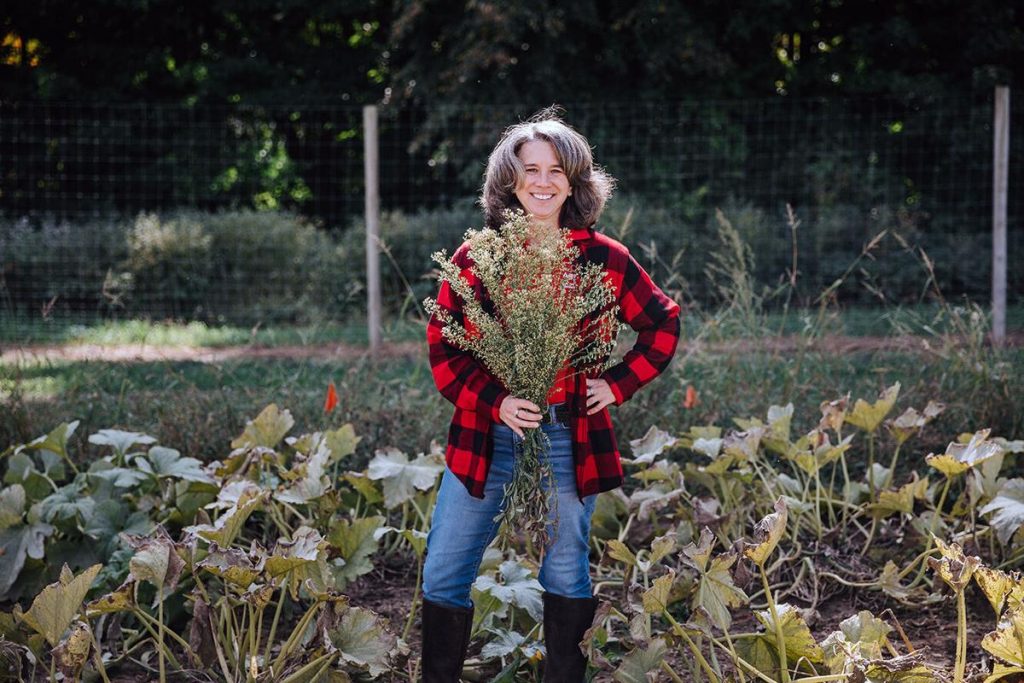
Image credit: Cornell University
SERVICE
Sosnoskie excels as New York’s SLR, consistently delivering comprehensive, multi-disciplinary reports that set a benchmark for regional engagement. She integrates IR-4 into her Cornell network and IPM team meetings to gather direct stakeholder feedback, and serves in active leadership roles with the Weed Science Society of America (WSSA) and the Northeastern Weed Science Society. Her advocacy has helped secure critical Special Local Need (24c) labels for cabbage and table beets, alongside expanded Section 3 labels in key New York specialty crops.
OUTREACH
A dedicated communicator with over 50 extension publications and 100+ presentations, Sosnoskie uses print media, presentations, and social media to highlight IR-4’s work (follow her @specialtycropweedscience). In May 2026, she authored the feature article “How can the IR-4 Project Help Your Farm?” for Vegetable Growers News (syndicated in Greenhouse Grower and Growing Produce). To help growers tackle increasing herbicide resistance, she launched the widely praised “Pigweed Identification Roadshow” and authored the “Pigweed Identification Guide.”
ALTRUISM
Sosnoskie is a steadfast advocate for growers. A prime example of this: she once declared at the Food Use Workshop (FUW) that she would “die on this hill” to defend critical crop protection priorities. When unprioritized grower needs arise, she frequently absorbs those projects into her own research program. To maximize national budget efficacy and ensure key crops are represented, she regularly conducts research trials at reduced rates or at no cost to the project.
RESEARCH
Since 2022, Sosnoskie has contributed to 19 IR-4 projects and offered data to support numerous others. Facing decreasing conventional herbicide registrations in New York, her program focuses on preliminary herbicide evaluations and cutting-edge non-chemical technologies. Partnering with Rutgers University and the IR-4 Integrated Solutions program, she has helped pioneer robotic, laser, electrical, and vision-guided weeding systems.
Thank you, Lynn!
Dr. Doug Walsh, Professor of Entomology and Extension Specialist at Washington State University, Washington State Liaison Representative for IR-4
Doug Walsh has served as the Washington State Liaison Representative to the IR-4 Project since 1998. Directing the WSU Field Research Center in Prosser, Walsh supports specialty crop producers across hops, mint, grapes, berries, tree fruit, and more. He is widely recognized as a primary scientific leader for the Pacific Northwest agricultural community.
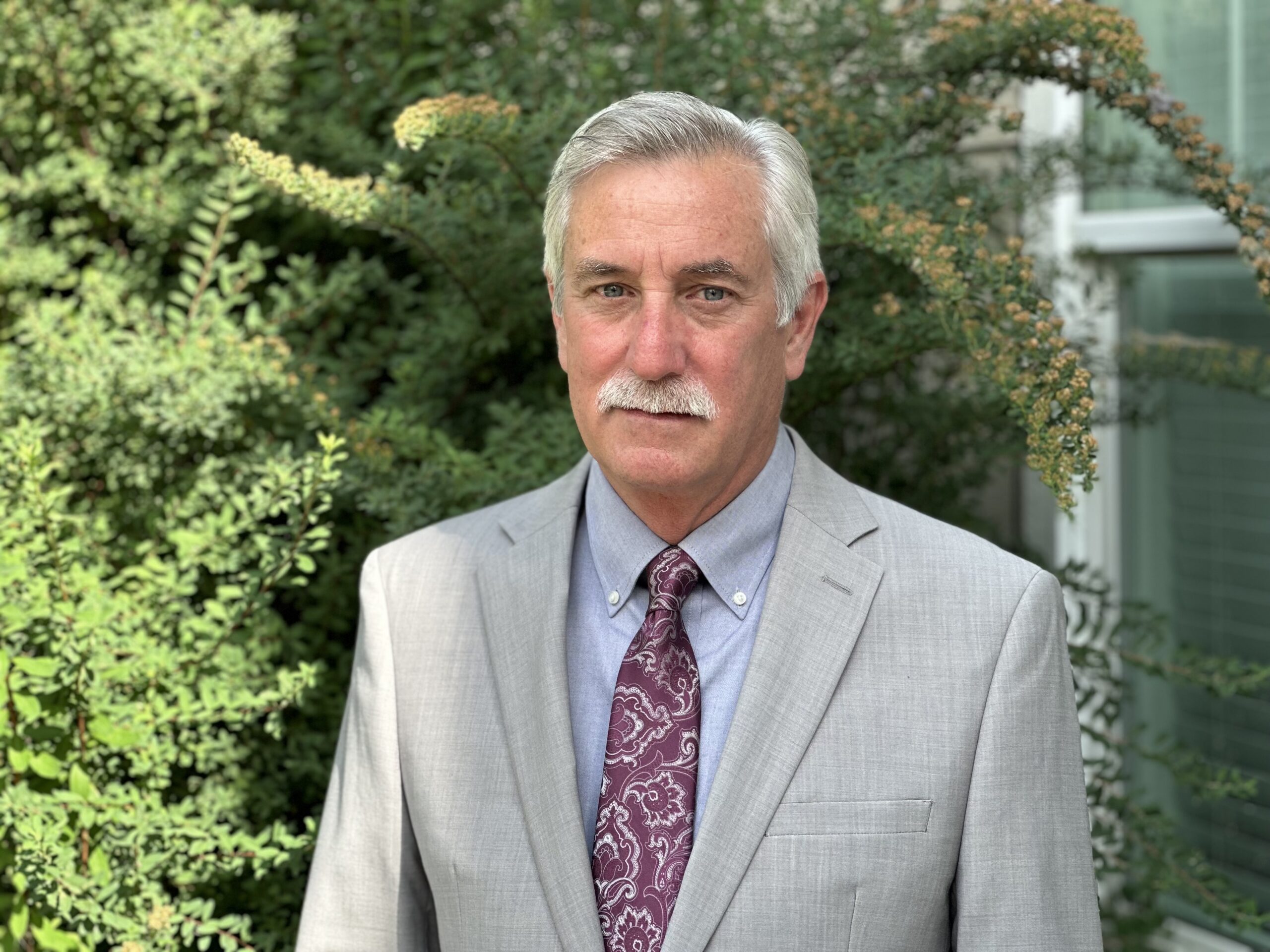
Image credit: Washington State University
SERVICE
For nearly three decades, Walsh has provided vital leadership to IR-4, serving on the Western Region Advisory Committee and the Executive Advisory Board. Beyond entomology, he acts as a comprehensive advocate for Pacific Northwest growers, representing cross-disciplinary needs in plant pathology, weed science, residue tolerances, and integrated pest management (IPM).
OUTREACH
Walsh is a trusted, candid communicator who translates complex regulatory, residue, and pesticide resistance concepts into practical farm-level strategies. Through field days, grower meetings, newsletters, and commodity reviews, he keeps producers informed while connecting local pest challenges with national registration pathways. Whether discussing secondary pest flare-ups or product performance limitations, he equips producers with the transparent, science-based insights needed to use crop protection tools responsibly.
ALTRUISM
Walsh routinely works across state, institutional, and disciplinary lines to support niche specialty crops with limited acreage and few registered crop protection tools. He is also a dedicated mentor to early-career faculty and scientists, demystifying the IR-4 Food Use Workshop priority-setting process and coaching new researchers on how to advocate effectively for specialty crop growers.
RESEARCH
Under Walsh’s leadership, the WSU Field Research Center has completed over 140 Good Laboratory Practice (GLP) residue trials supporting specialty crop registrations. His targeted research on two-spotted spider mite acaricide resistance, mint root borer, and pollinator safety has yielded vital tools for regional industries. An economic analysis estimated that his IR-4 research activities generated more than $1.6 billion in enhanced crop-protection value for Washington agriculture.
Thank you, Doug!