
Five-year partnership will address pesticide residue barriers affecting U.S. specialty crop exports
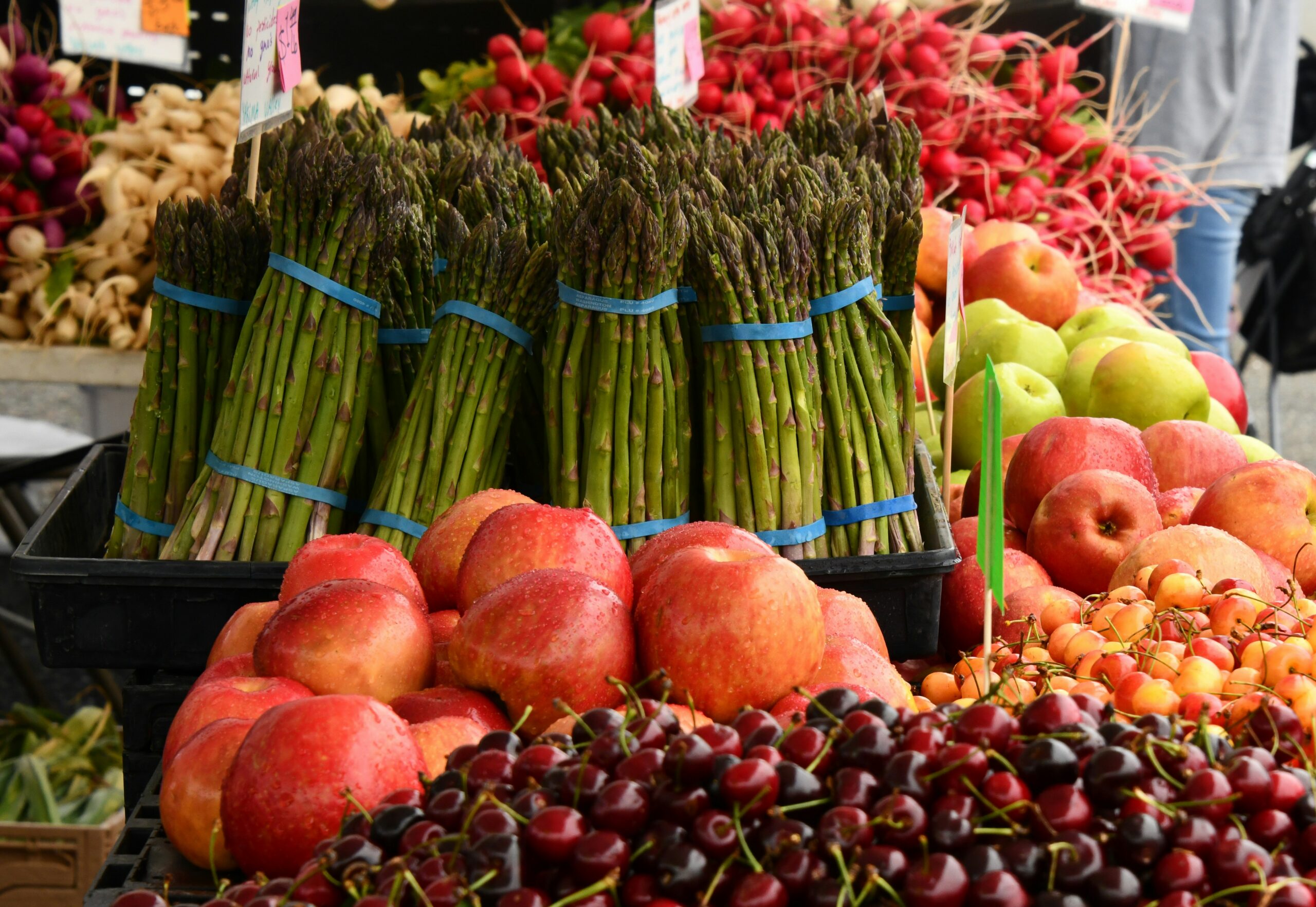
The IR-4 award is part of $13.5 million in new ASCE investments announced by USDA FAS to address technical barriers affecting U.S. specialty crop exports. Image credit: Shelley Pauls.
The IR-4 Project at North Carolina State University has received a $10 million, five-year award from the U.S. Department of Agriculture Foreign Agricultural Service (USDA FAS) to help U.S. specialty crop growers overcome pesticide residue-related barriers to international trade.
The award, part of USDA’s Assisting Specialty Crop Exports (ASCE) Initiative, will expand IR-4’s capacity to generate scientific data supporting international pesticide maximum residue limits (MRLs) and develop practical strategies to reduce residue-related export risks. This work will help expand export opportunities for U.S. specialty crops, including high-value commodities such as citrus, tree nuts, grapes, sweetpotatoes, berries, dried fruits, and vegetables.
U.S. specialty crop growers rely on effective crop protection tools, but a pesticide registered in the United States does not automatically have an internationally recognized MRL. Missing or differing standards can restrict market access even when growers use pesticides according to U.S. requirements.
The award marks a significant expansion of IR-4’s work under the leadership of Executive Director Lina Quesada-Ocampo, who joined the Project in March 2026. The new program will build on IR-4’s national research infrastructure and more than 60 years of experience generating data to support pest management tools for specialty crops.
“We are very excited for the opportunity to expand how IR-4 supports U.S. specialty crop growers in global markets. We are grateful to USDA FAS for their confidence in IR-4 and excited to build this new program together with our stakeholders and partners.” —Lina Quesada-Ocampo, Executive Director, The IR-4 Project
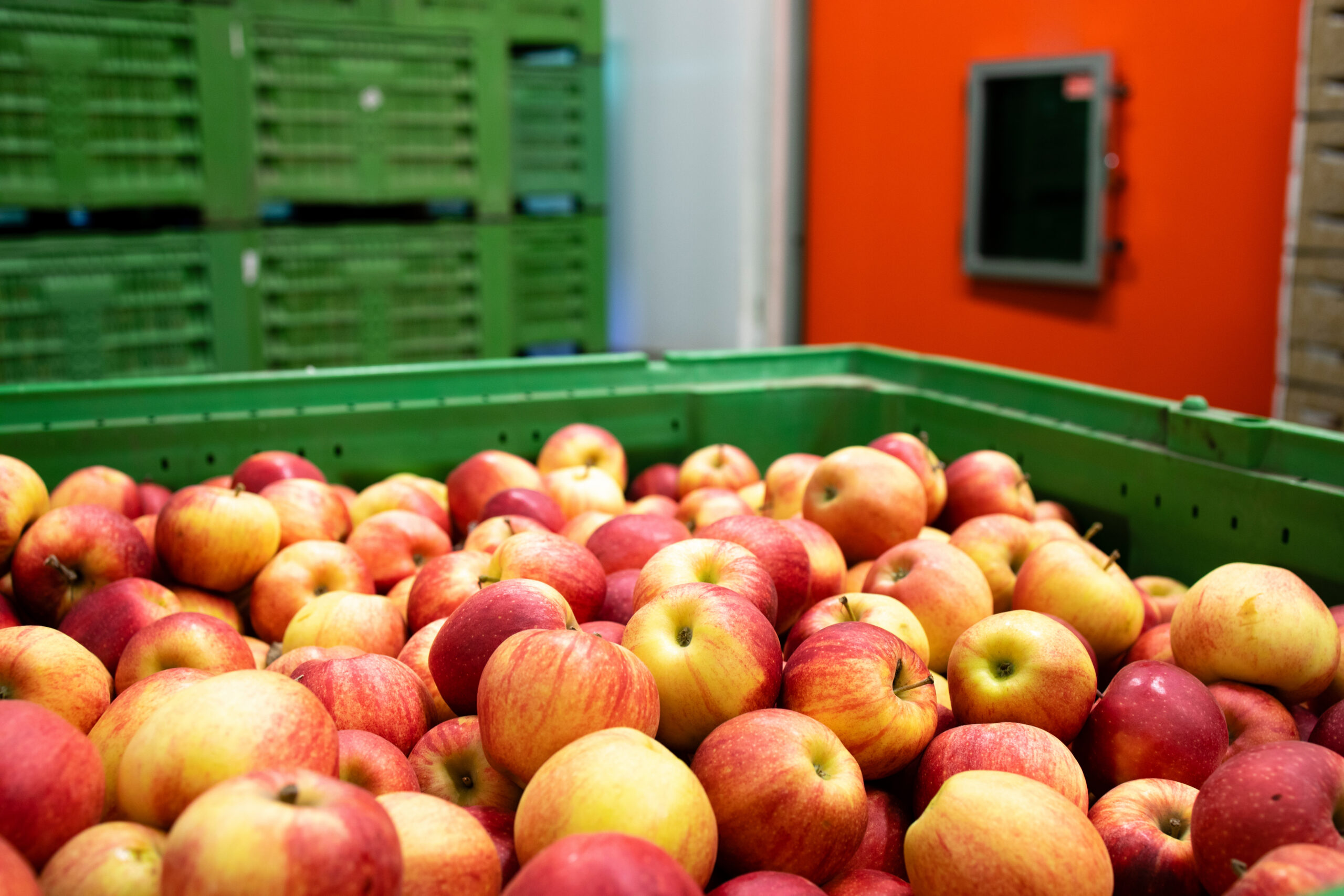
IR-4 will establish an Export Market Access Platform (EMAP) to support specialty crop stakeholders across the US. Image credit: Adobe Stock #430378239.
Connecting IR-4 Research to Export Needs
During the first year, IR-4 will establish an Export Market Access Platform (EMAP) to identify, prioritize and track residue-related export challenges. Export priorities will be incorporated into IR-4’s stakeholder-driven process, including its annual Food Use Workshop, where growers, commodity organizations, researchers, crop protection companies and government partners identify research needs.
“For U.S. specialty crop growers, access to international markets depends on having the right science and residue standards in place. It’s also imperative to keep up with rapidly changing global regulatory requirements, which demand an acceleration of novel technologies such as biological inputs. This USDA investment will give grower stakeholders a direct voice in identifying the solutions that matter most and allows the expert staff at IR-4 to focus its research where it can make a meaningful difference for specialty crop agriculture.” —Jonathan Sarager, Chair, IR-4 Commodity Liaison Committee and Associate Vice President of Federal Affairs at Western Growers
The project will then support three complementary types of research: generating additional residue data alongside selected domestic studies to support future international standards; filling existing data gaps that limit establishment of Codex MRLs; and evaluating practical residue-mitigation strategies for growers.
“Given the breadth of the national and academic research network and the strong partnerships built across specialty crop agriculture, IR-4 is uniquely qualified to take on this work. This investment will allow us to leverage capabilities in a new way to address international challenges and provide additional services to the U.S. growers.” —Matt Hengel, Chair, IR-4 Project Management Committee and Regional Director for the IR-4 Western Region
IR-4 will work closely with USDA FAS, the U.S. Environmental Protection Agency (EPA), pesticide registrants, grower organizations, and other partners to translate research results into regulatory data packages. These will serve as supporting documentation for review by the Joint FAO/WHO Meeting on Pesticide Residues and inform the establishment of MRLs through the Codex Alimentarius Commission.
Residue-mitigation research will also be translated into practical information for growers and commodity organizations, helping producers meet international residue requirements while maintaining effective pest management and crop productivity.
“IR-4 has a remarkable national network and a long history of delivering for specialty crop agriculture. This award reflects both that strong foundation and Lina’s leadership in identifying new opportunities to expand IR-4’s impact. We are excited to see this new investment at NC State support growers and agricultural markets across the country.” —Amy Grunden, NC State Administrative Advisor to the IR-4 Project, Associate Dean for Research, and Director of the NC Agricultural Research Service
The IR-4 award is part of $13.5 million in new ASCE investments announced by USDA FAS to address technical barriers affecting U.S. specialty crop exports. Learn more about the award in USDA’s stakeholder notice.
About The IR-4 Project
Established in 1963, the IR-4 Project facilitates registration of conventional pesticides and biopesticides for specialty crops and other minor uses. Through a national network of researchers, universities, government agencies, growers, commodity organizations and the crop protection industry, IR-4 develops the scientific data needed to help specialty crop growers access safe, effective pest management tools. IR-4 Headquarters is located at North Carolina State University in Raleigh, North Carolina.